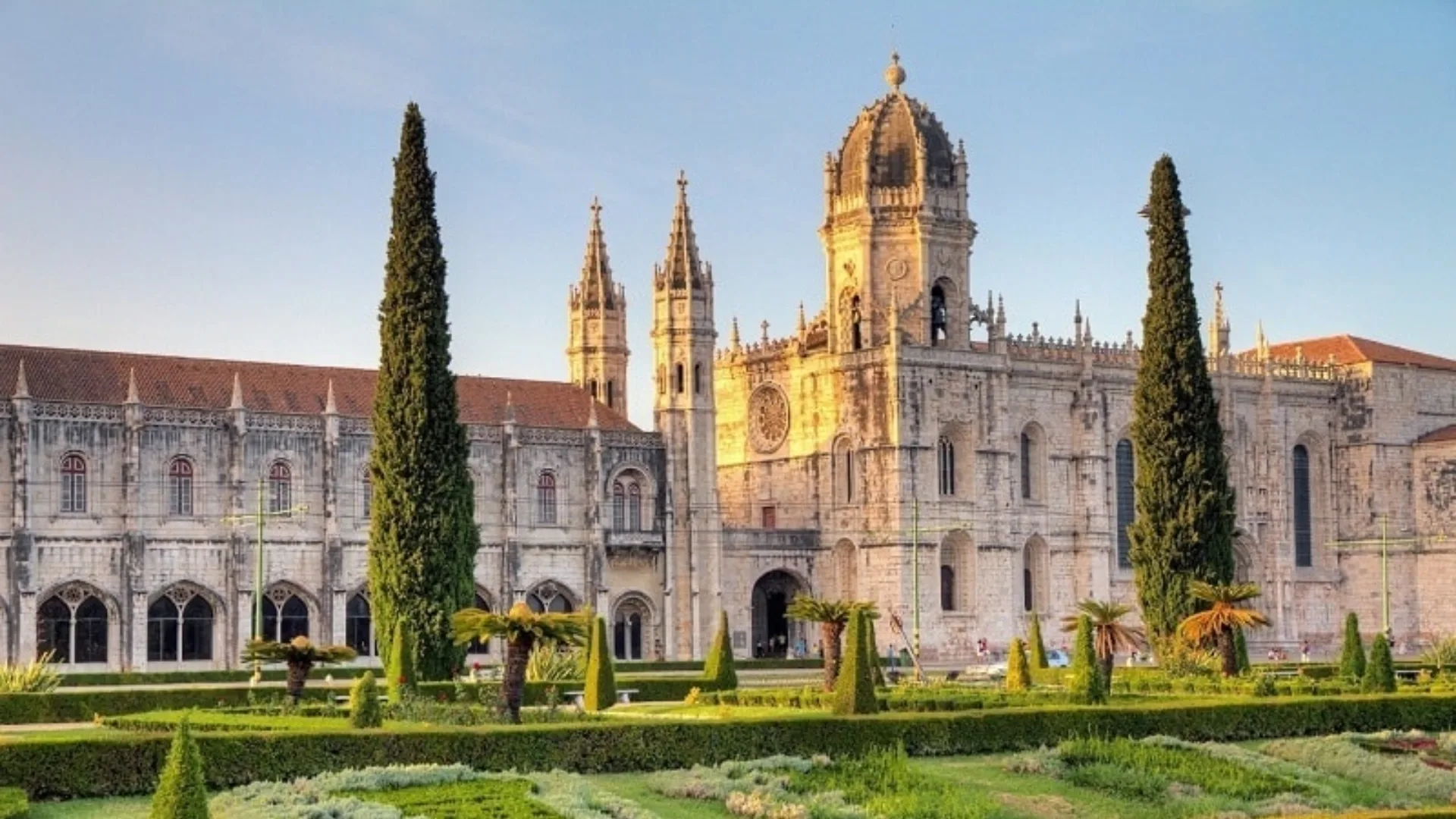
Origins and Commission: Jerónimos and the Age of Discoveries
How King Manuel I, Vasco da Gama’s voyage, and the Hieronymites shaped Lisbon’s most iconic monastery.
→
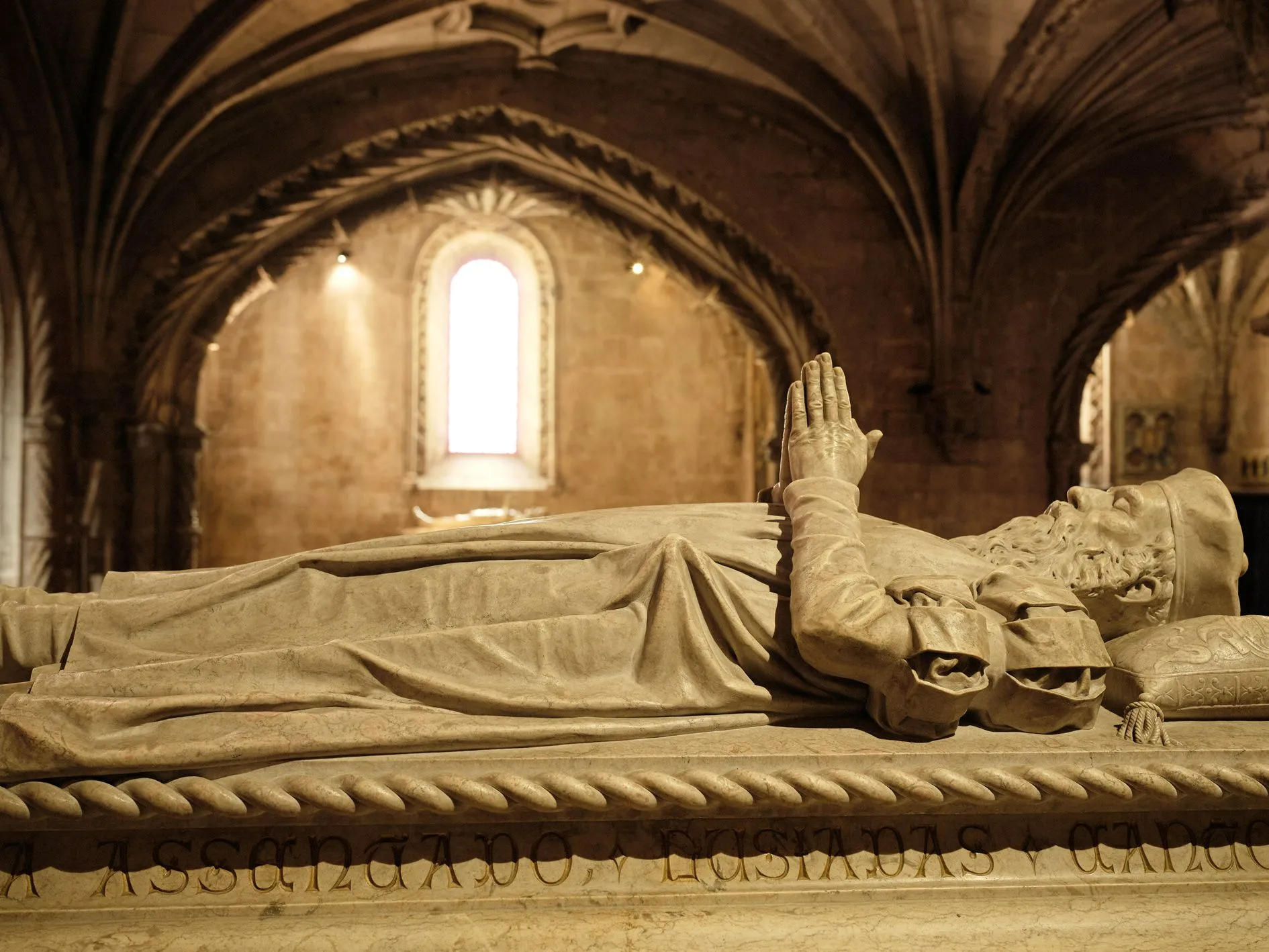
Tombs of Memory: Vasco da Gama and Luís de Camões
Why Jerónimos houses the nation’s poetic and navigational memory in stone.
→
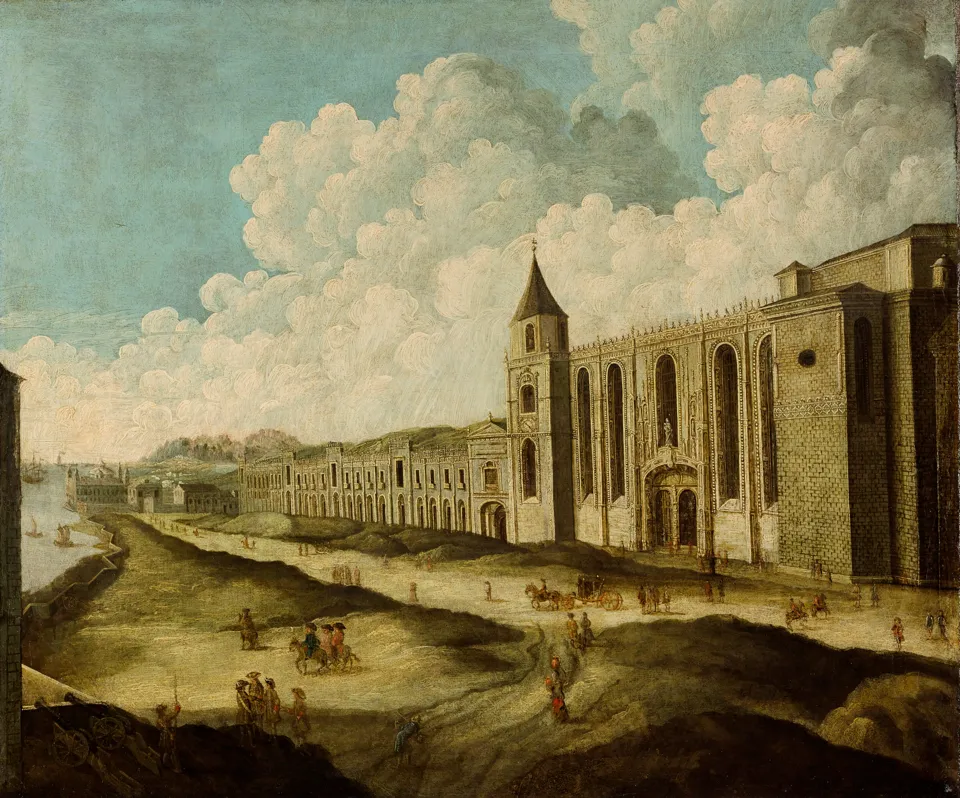
The 1755 Earthquake: Impact on Jerónimos and Lisbon
Assessing the great earthquake’s effects on Jerónimos—damage patterns, repairs, and urban context.
→
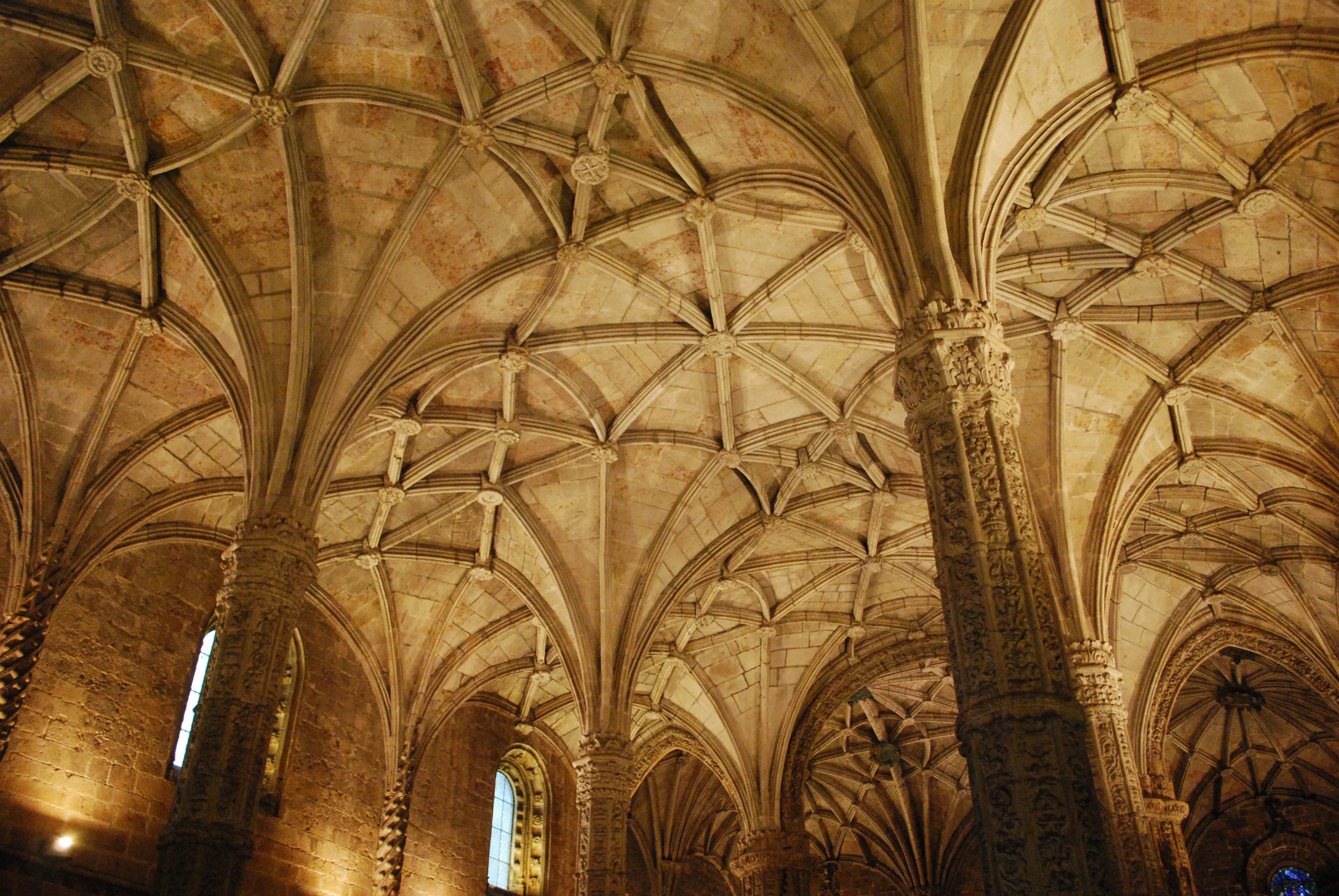
Hieronymites: Prayer, Scholarship, and Care for Navigators
The monastic rhythm at Jerónimos—spiritual duties, scholarship, and the tradition of praying for sailors.
→
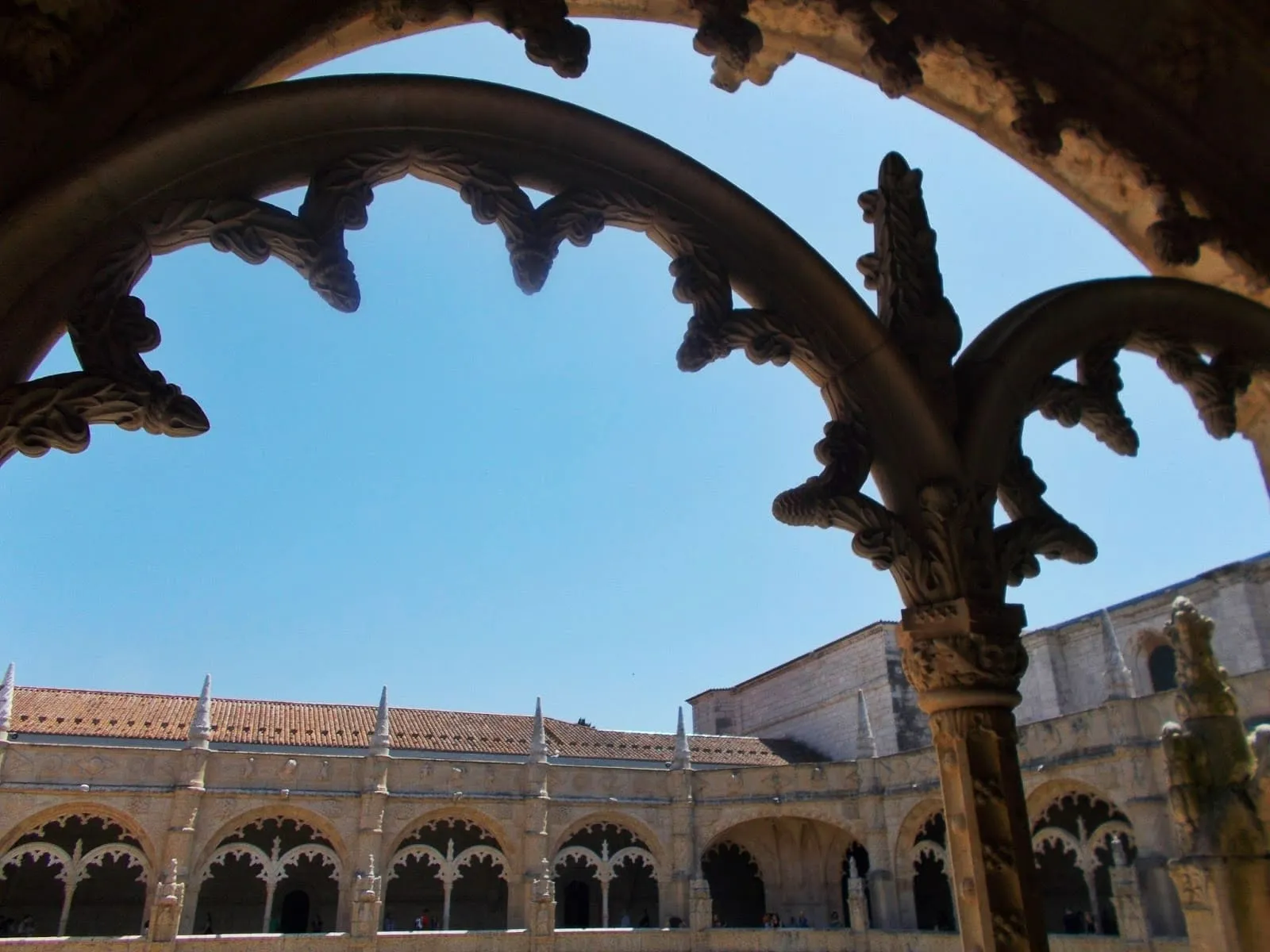
Manueline Style: A Field Guide to Jerónimos Iconography
Decode ropes, armillary spheres, coral forms, and botanical capitals throughout Jerónimos’ Manueline vocabulary.
→
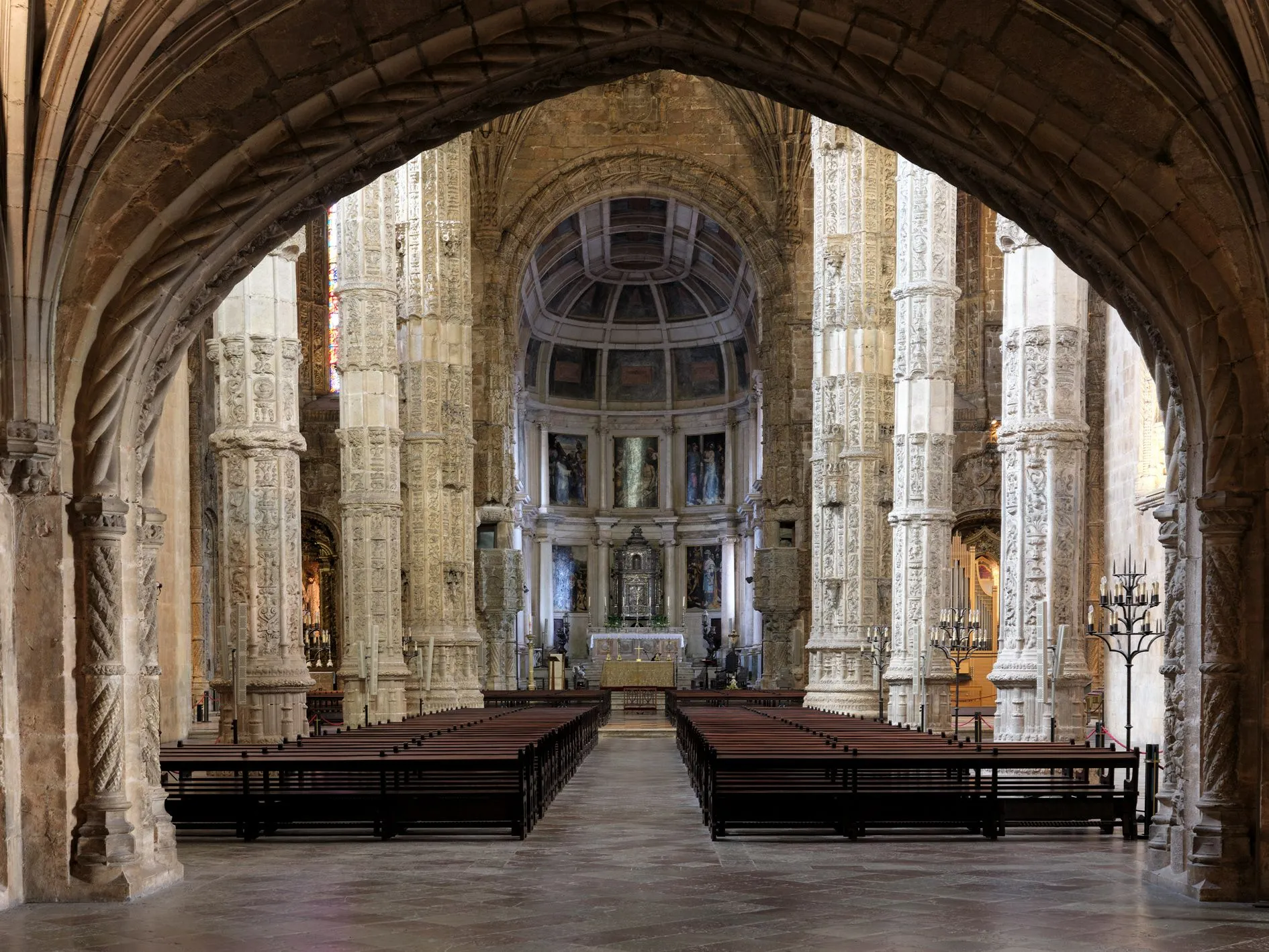
The Church Nave: Forest of Columns and Floating Vaults
A structural and aesthetic reading of Jerónimos’ vast nave—columns, vaults, and luminous space.
→
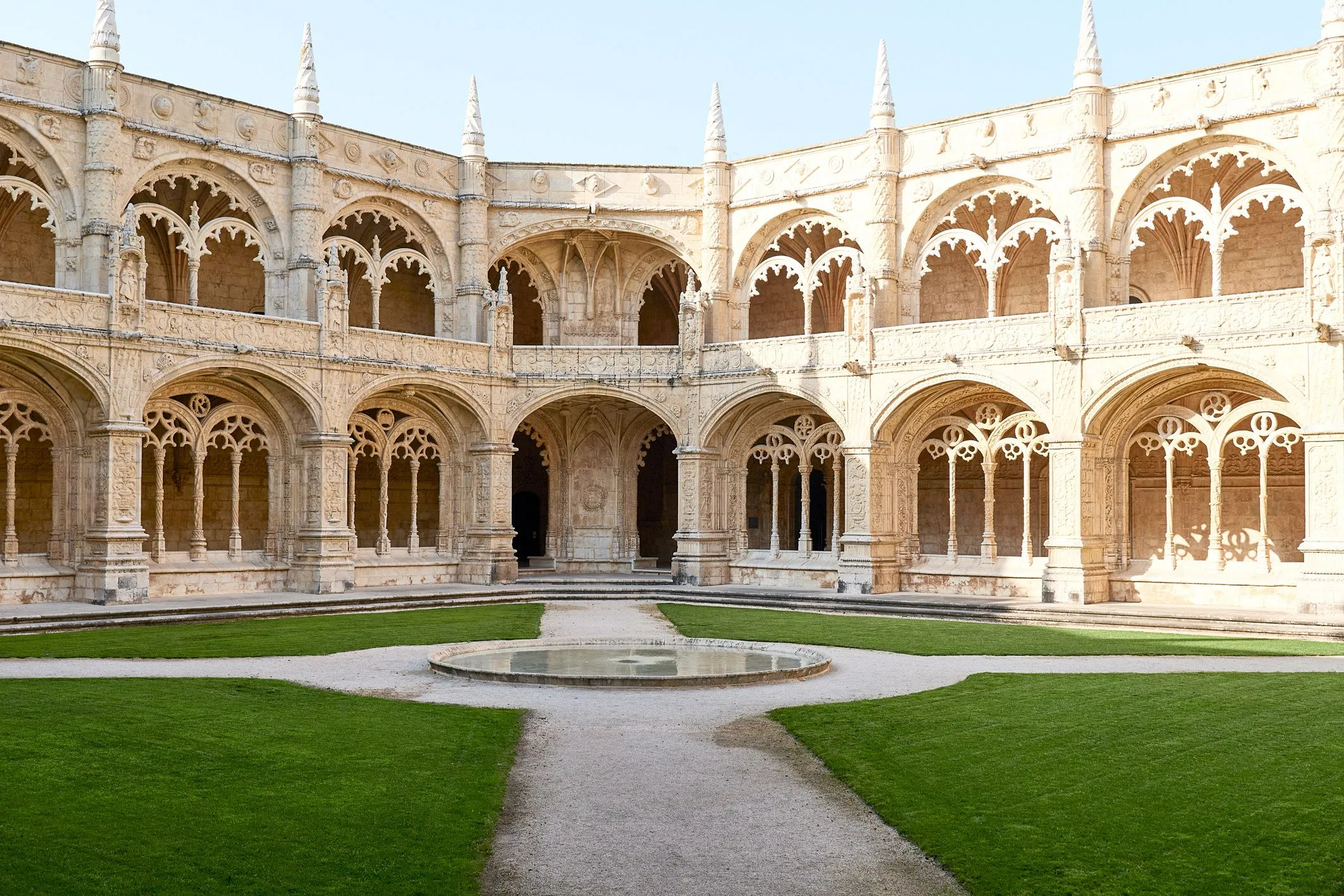
Cloister: Geometry, Light, and Water in Courtyard Harmony
Architectural choreography in the cloister—two levels, carved spandrels, and a tranquil patio with fountains.
→
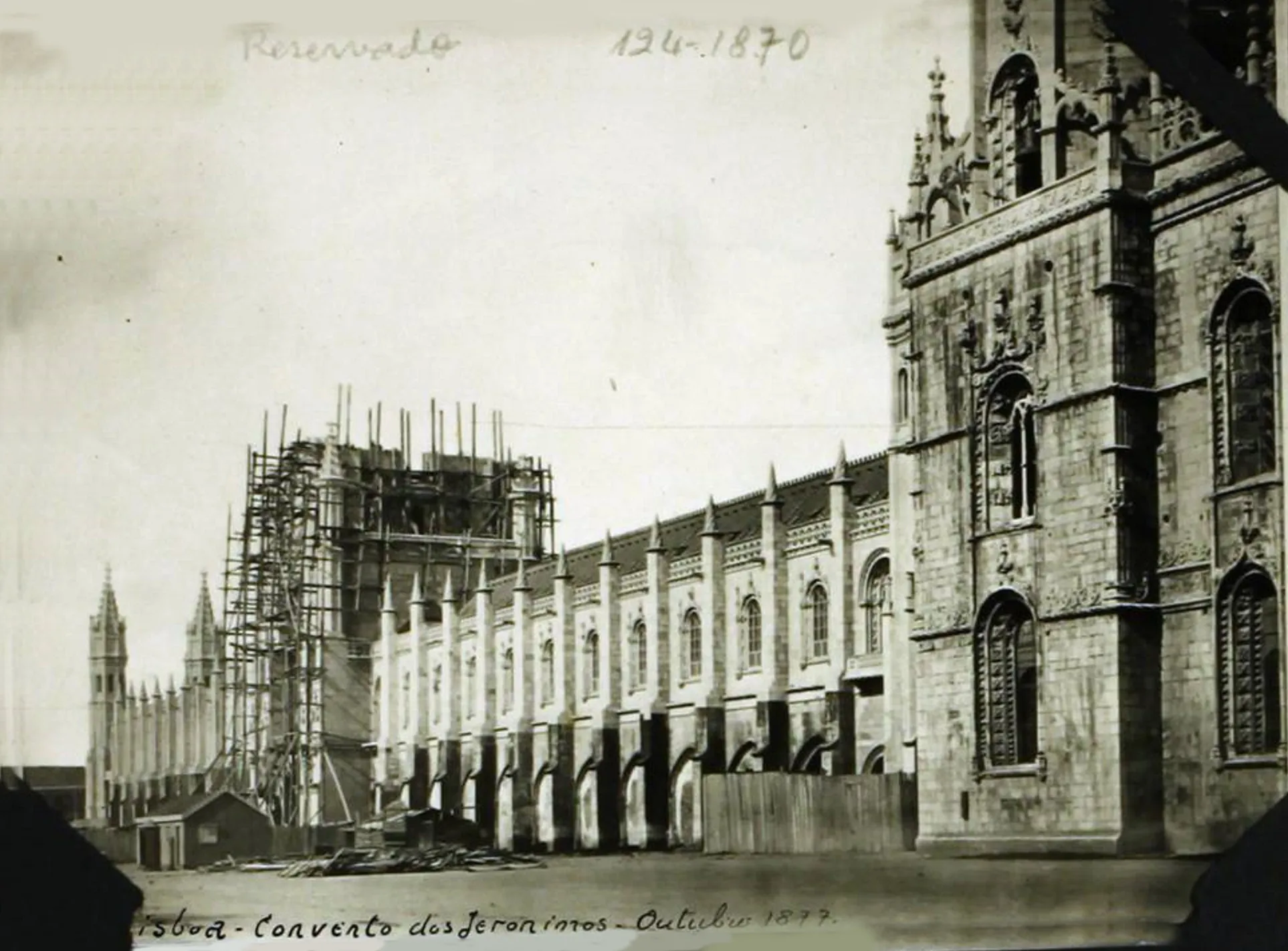
UNESCO Inscription: Outstanding Universal Value of Jerónimos
What UNESCO recognized at Jerónimos—criteria, cultural significance, and protection framework.
→
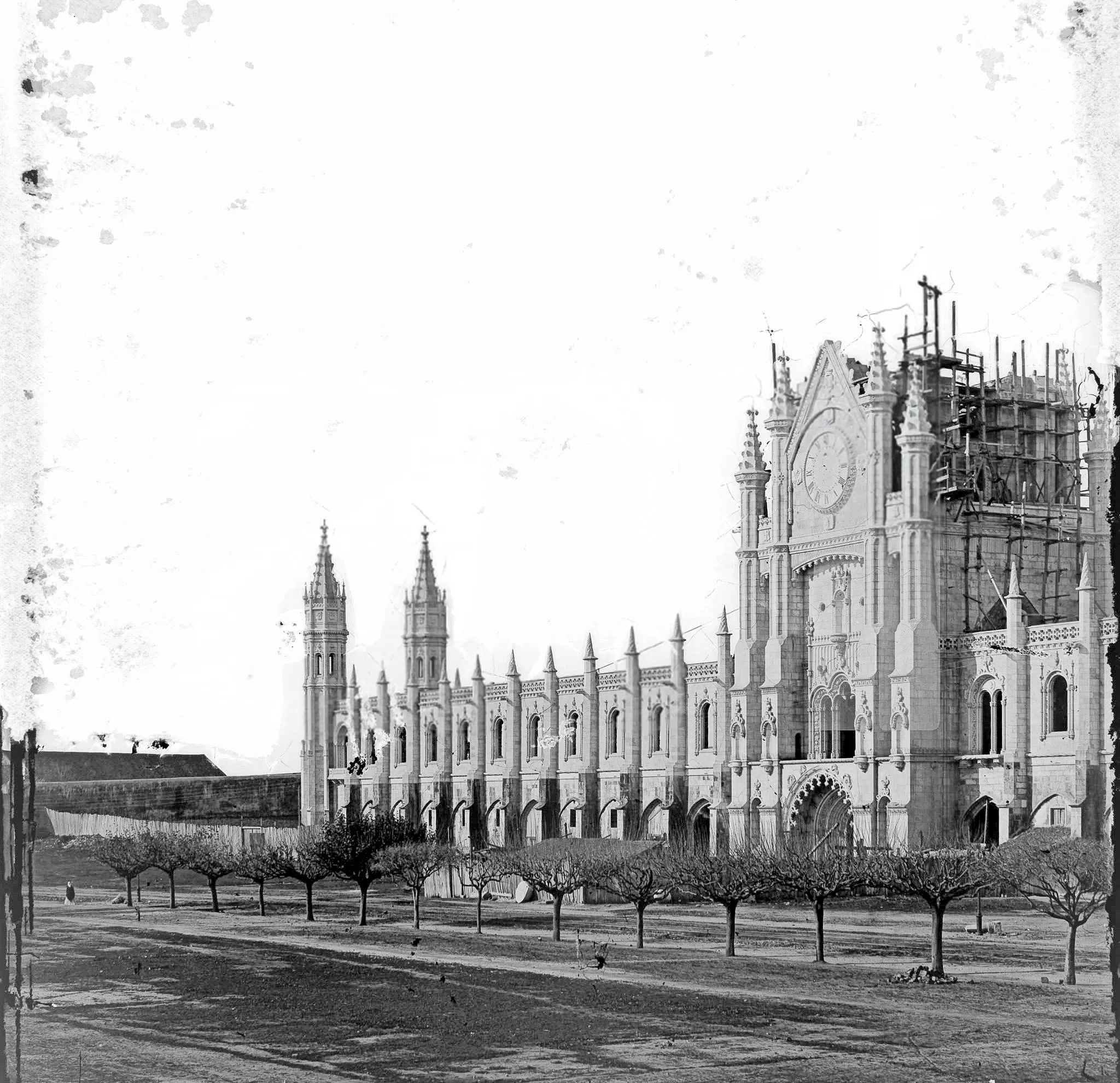
Building Jerónimos: Timeline, Master Builders, and Materials
From groundbreaking to finishing touches—how Jerónimos emerged through campaigns, masters, and lioz limestone.
→
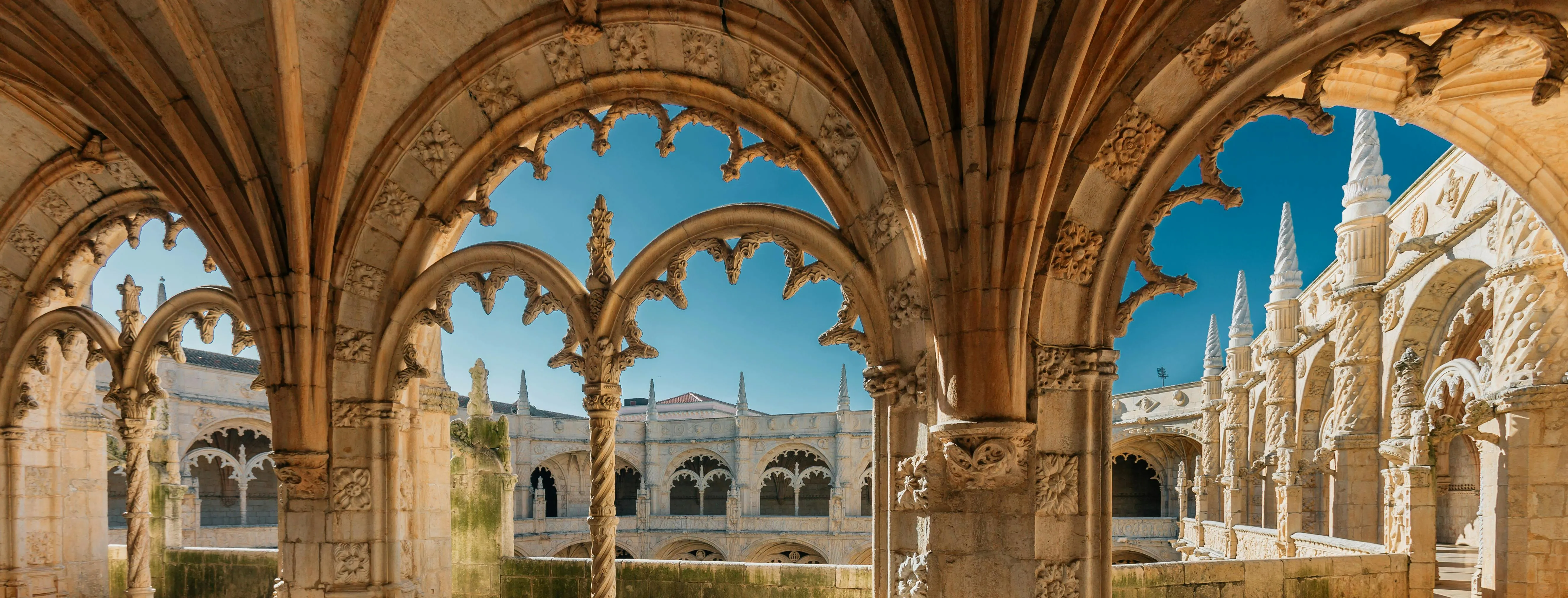
Maritime Symbolism: Ropes, Spheres, and the Liturgy of Travel
Reading Jerónimos’ embossing: ropes binding empire, armillary spheres as cosmographic icons, and oceanic flora.
→
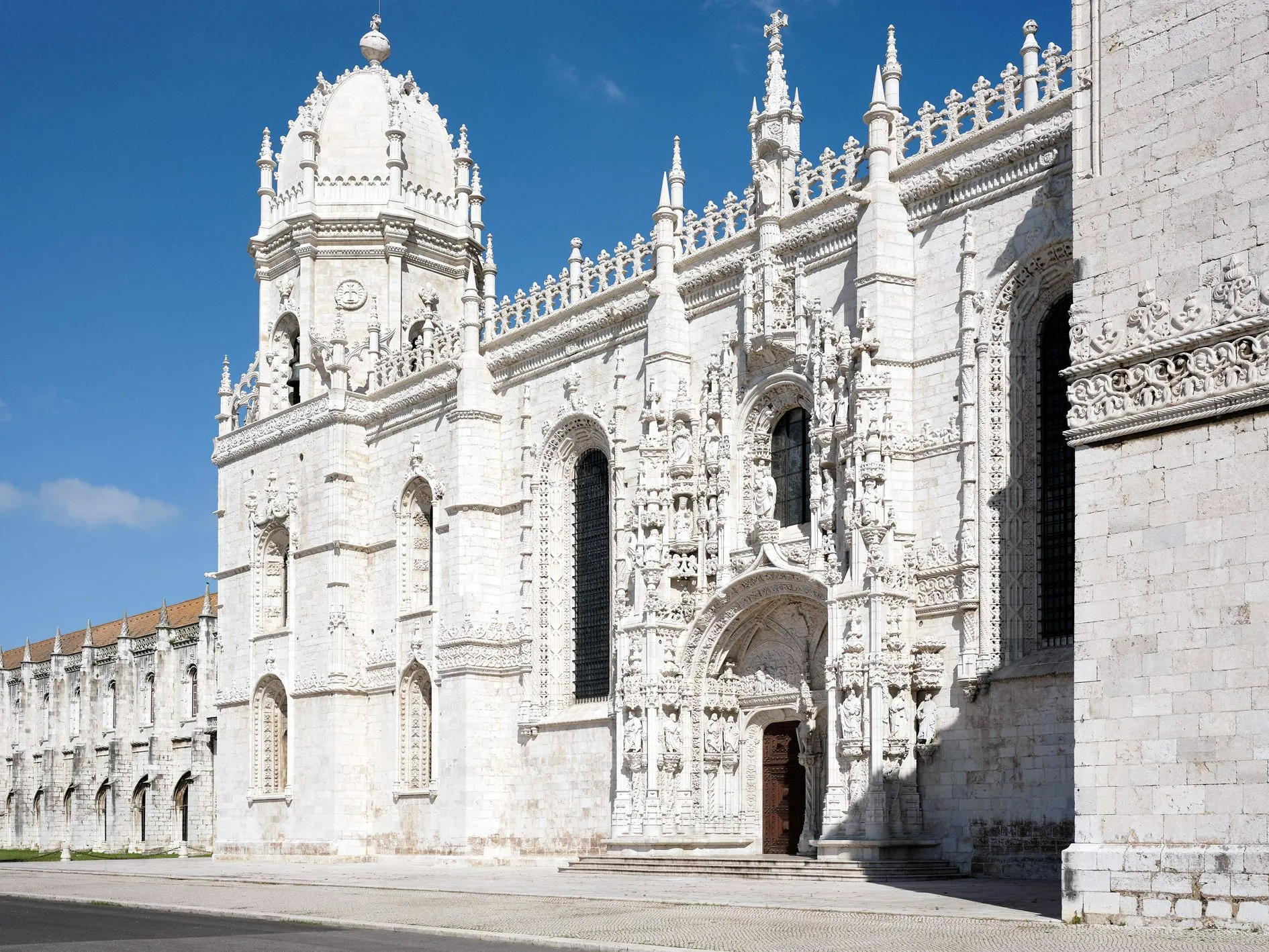
Visitor Guide: Tickets, Queues, and Best Times to See Jerónimos
Practical tips to enjoy Jerónimos—tickets, timing, routes, and etiquette.
→
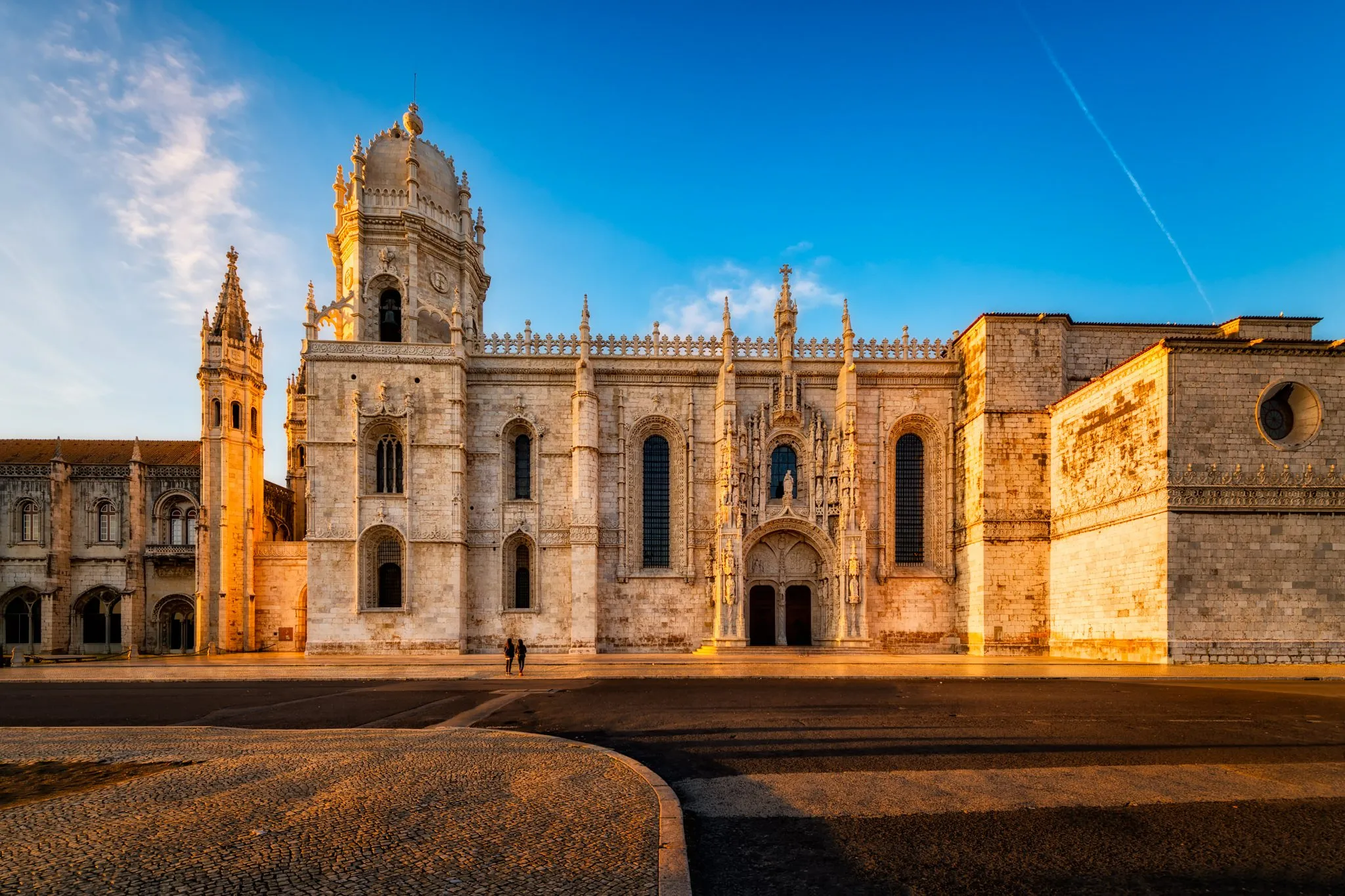
Photography Guide: Light, Angles, and the Best Jerónimos Spots
How to photograph Jerónimos—light windows, shadow lace, and respectful shooting.
→
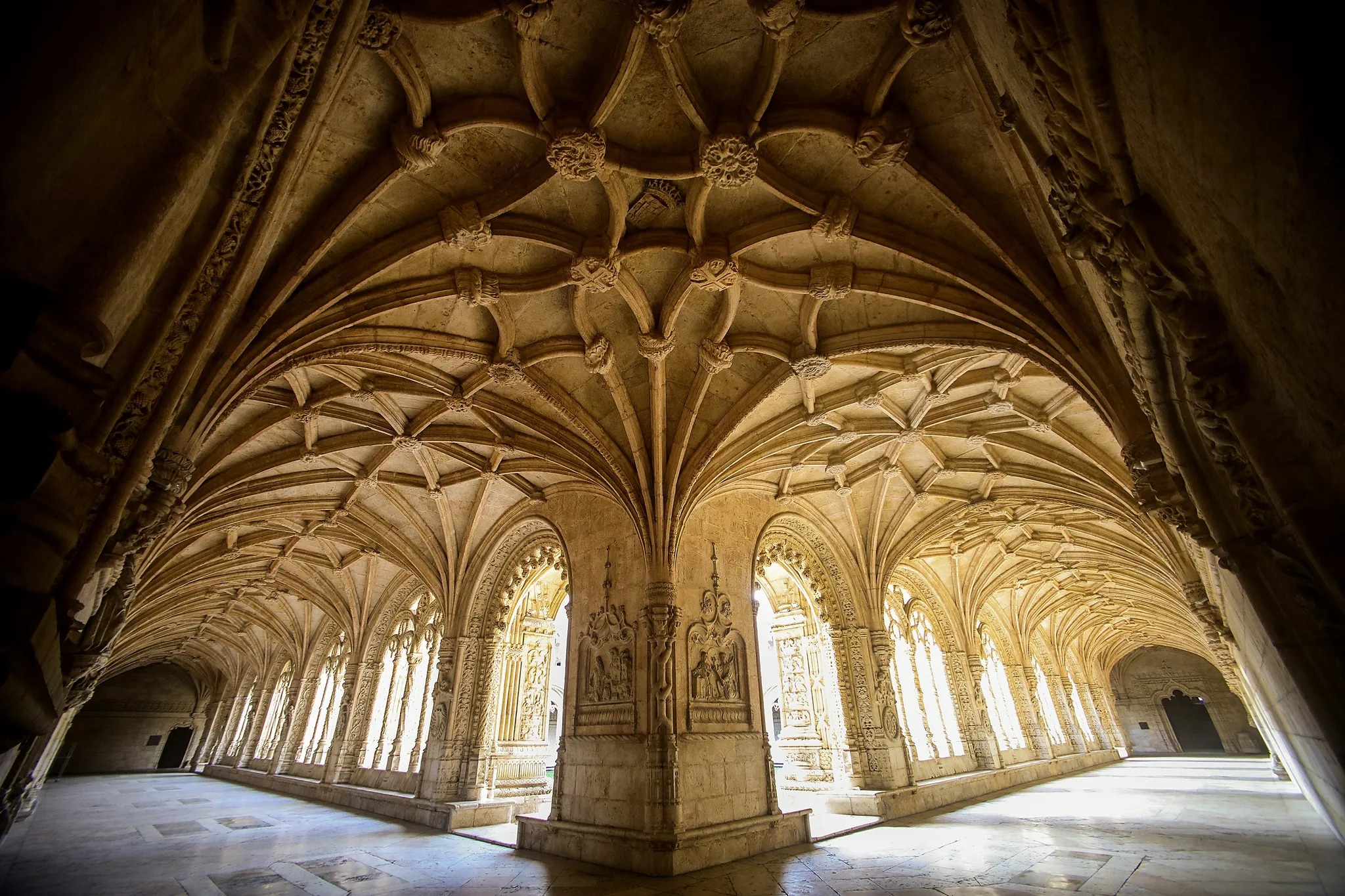
Accessibility: Paths, Elevations, and Visitor Amenities
Navigate Jerónimos comfortably—access routes, surface notes, and amenity pointers.
→
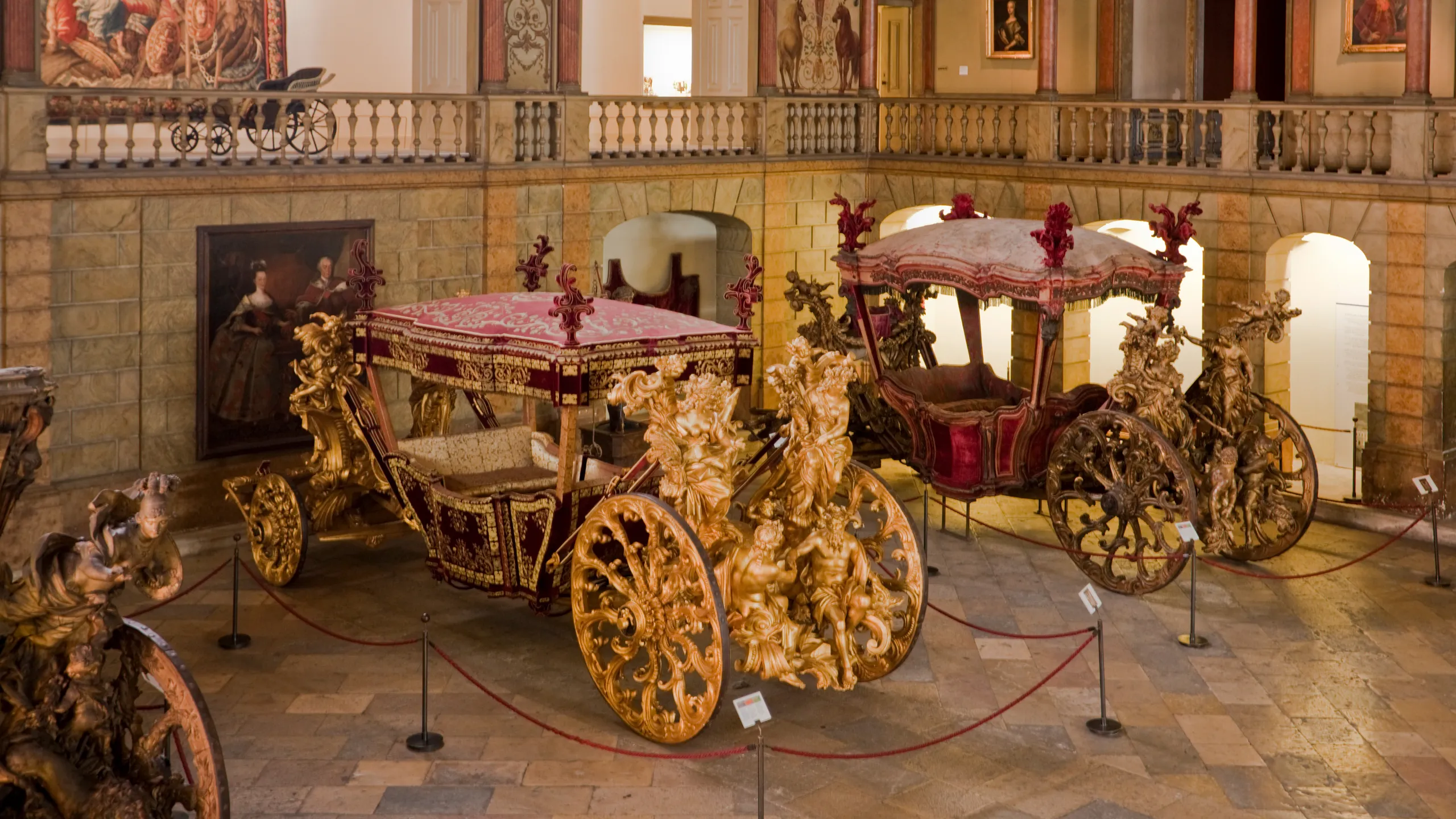
Belém Itinerary: Jerónimos and Nearby Attractions
Combine Jerónimos with Belém highlights—Tower, Coach Museum, and waterfront walks.
→
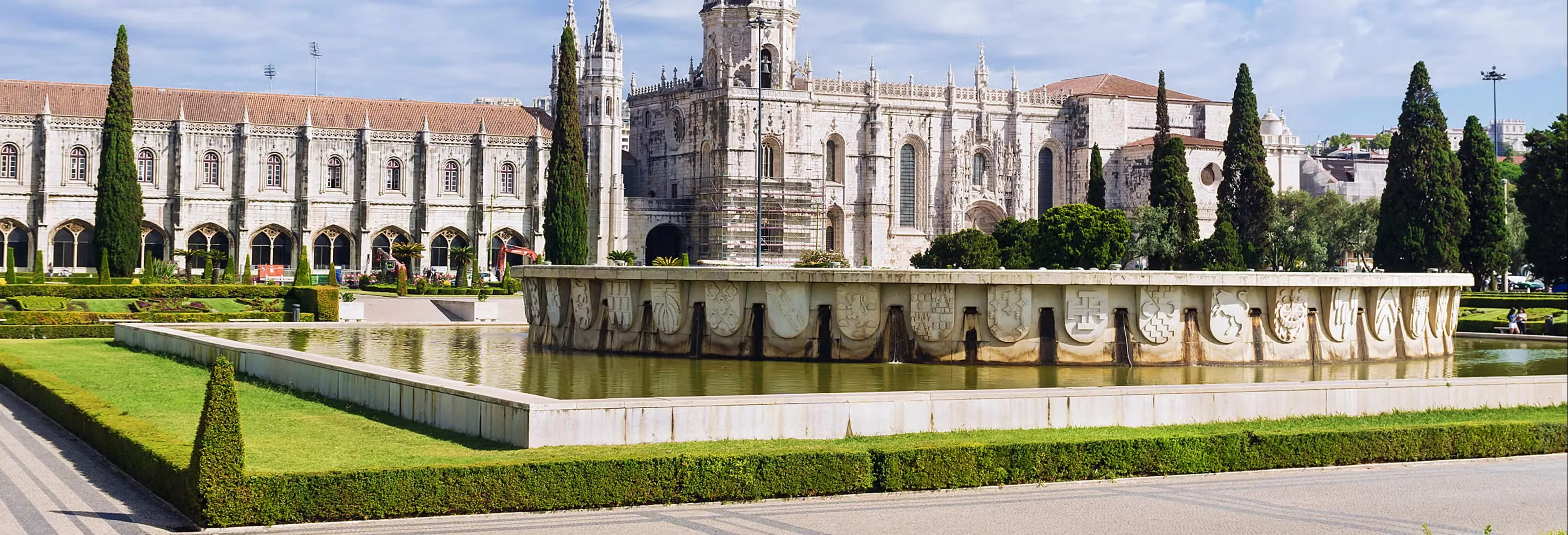
Forecourt Experience: Fountain, Garden, and Façade Vistas
Slow time in front of Jerónimos—fountain arcs, garden symmetry, and façade panoramas.
→
Restoration Stories: 19th-Century Interventions and Heritage Debates
How the 19th century reshaped Jerónimos—stylistic choices, preservation strategies, and debates.
→
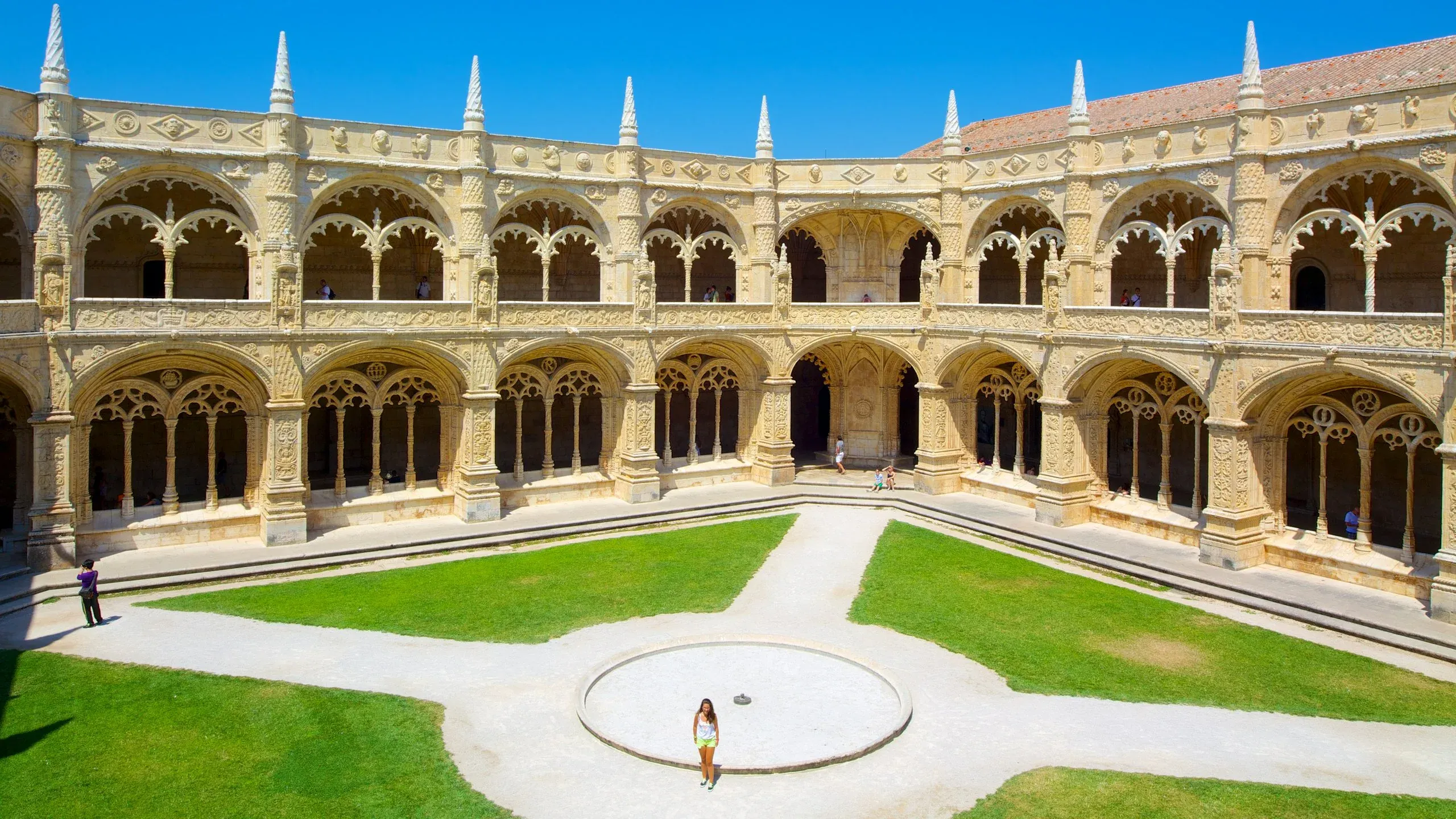
Acoustics: Cloister Sound, Reverberation, and Quiet
How geometry and material shape sound in Jerónimos—cloister hush and choir resonance.
→
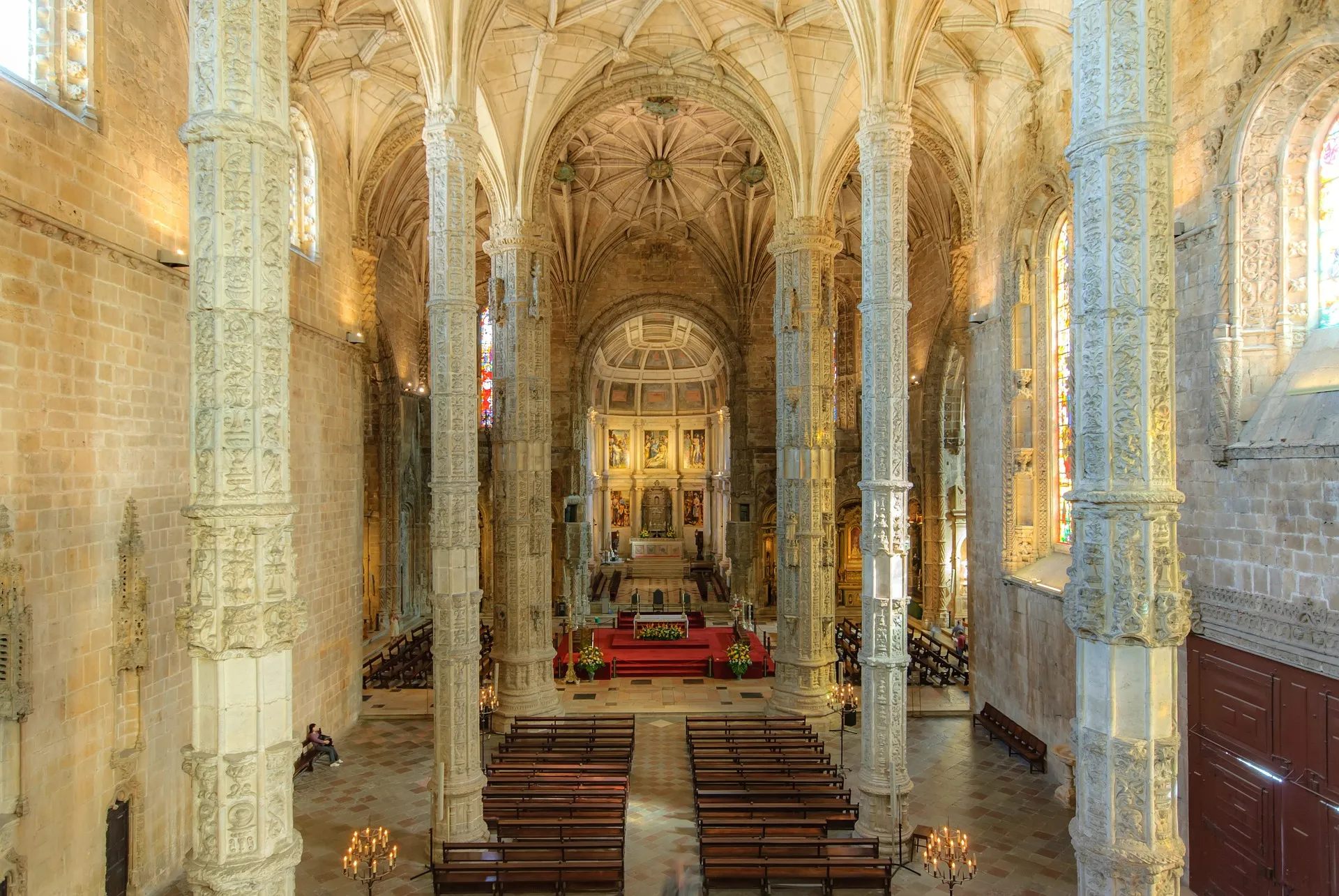
Structural Poetry: Vaults, Thrust Lines, and Stability
Reading Jerónimos’ vaults—how ribs guide thrust, where loads go, and why it feels effortless.
→
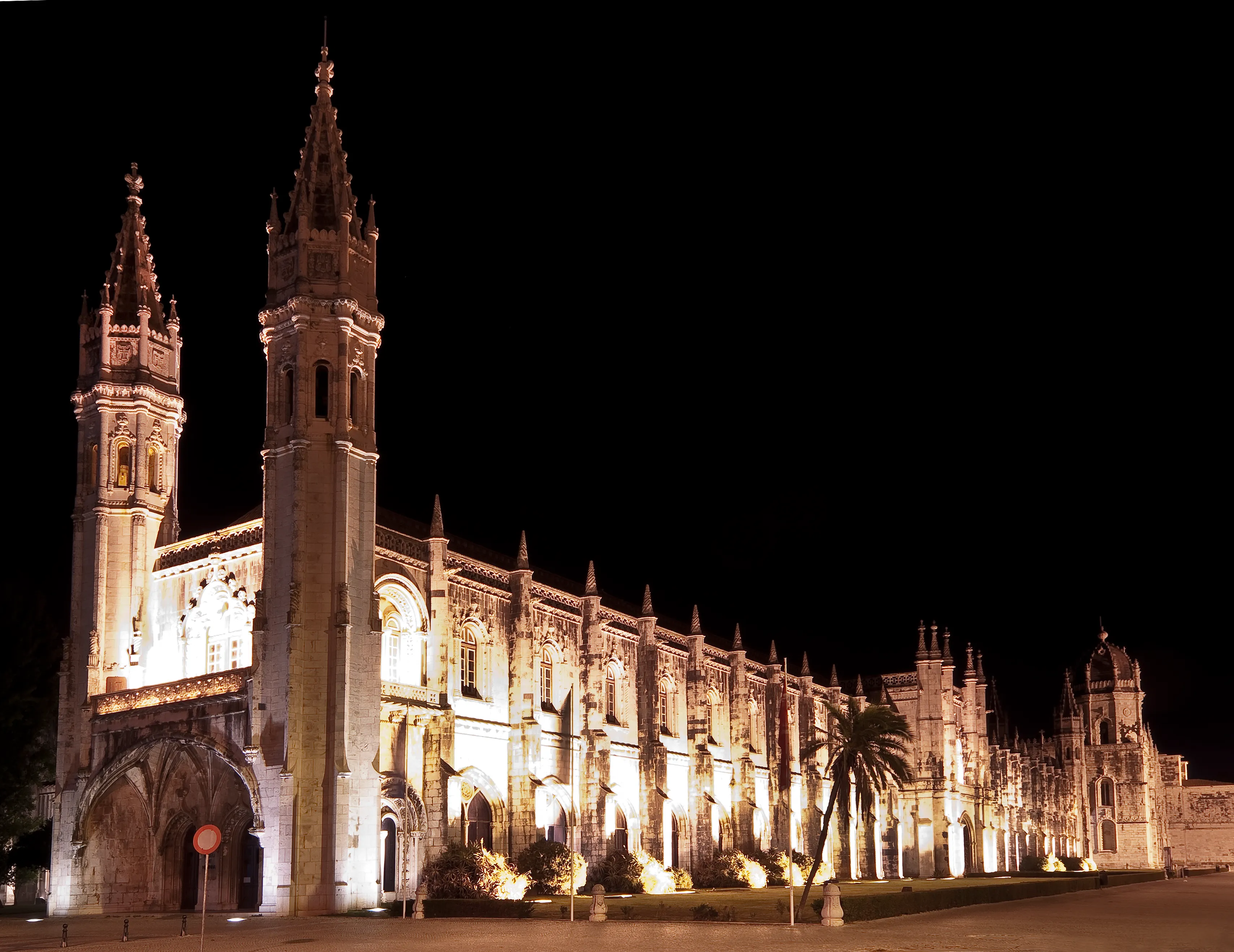
Night Experience: Lighting, Silence, and Façade Drama
What Jerónimos feels like after dusk—lighting design, quieter rhythms, and façade drama.
→
Façade Reading: Portals, Windows, and Tower Composition
How to read Jerónimos’ façade—composition, portal sculpture, and window rhythms.
→
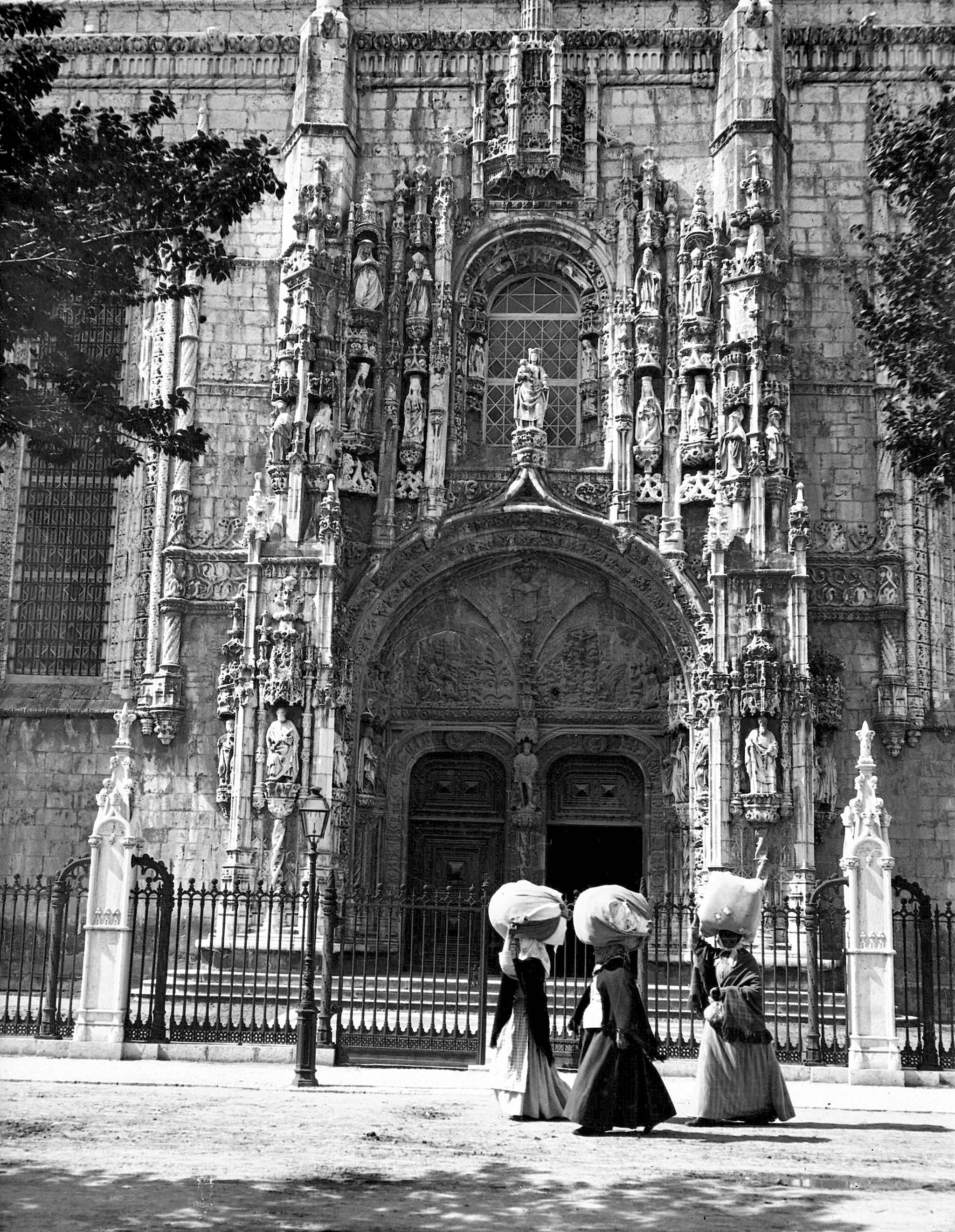
People and Place: Jerónimos as Living Heritage
How Jerónimos lives through people—strollers, ceremonies, and everyday belonging in Belém.
→
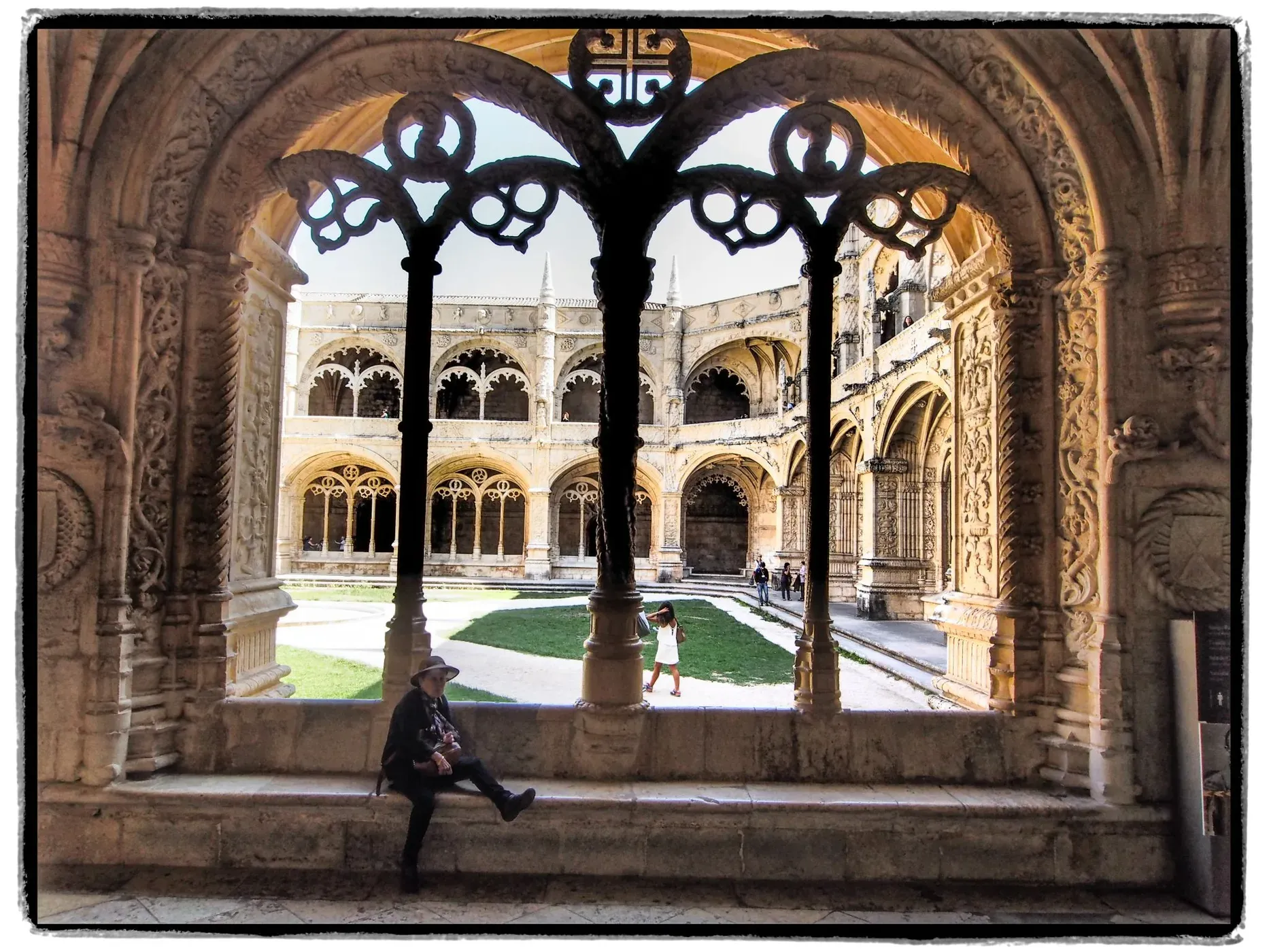
Windows and Details: Reading Craft up Close
How to read Jerónimos’ windows and little details—carving techniques, weathering, and light.
→
Choir and Liturgical Space: Where Time is Sung
Understanding Jerónimos’ choir—liturgical orientation, seating, and acoustic presence.
→
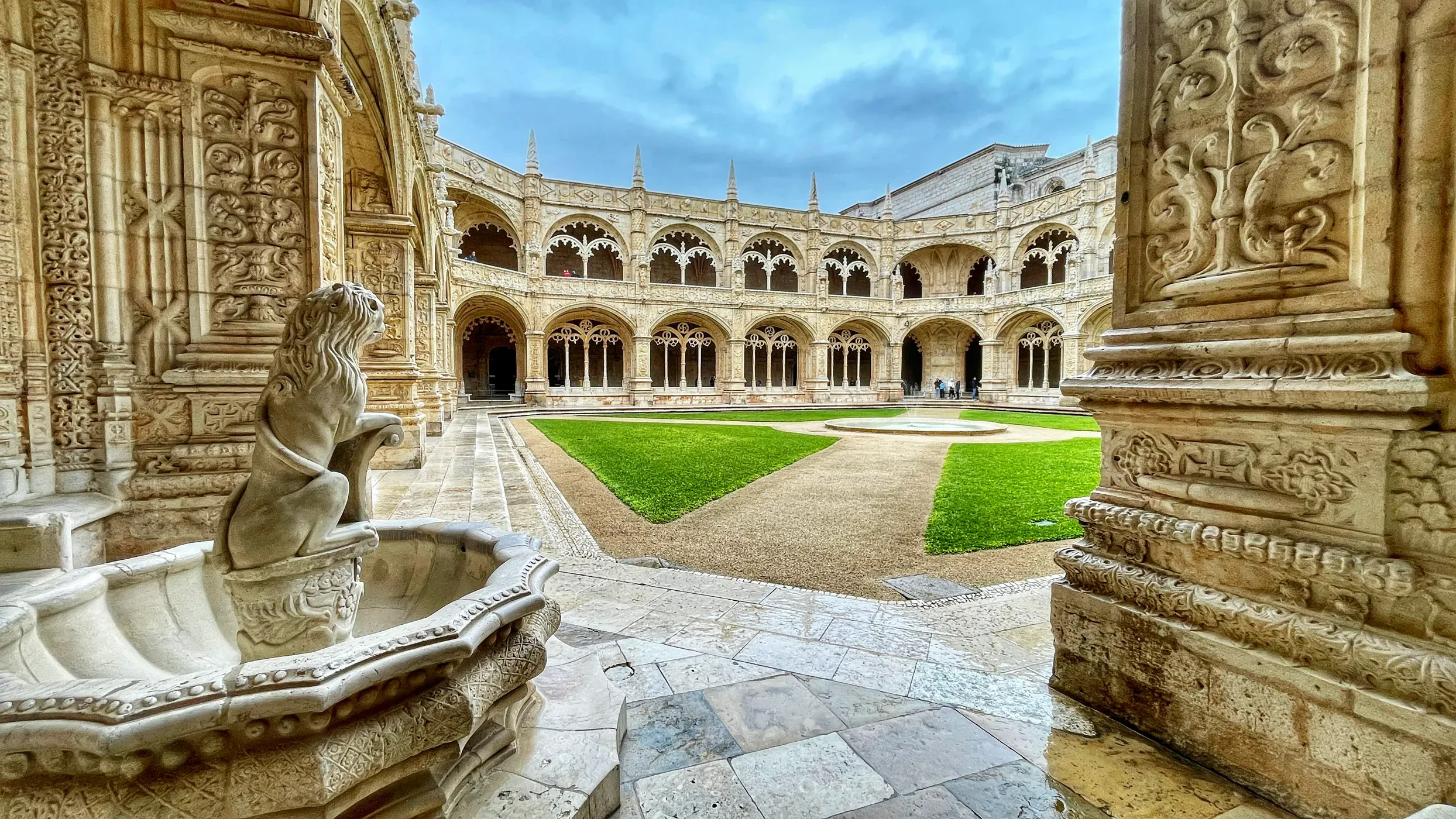
Patio Corners and Spandrels: Micro-Geometries of the Cloister
Small corners with big stories—how spandrels and turns reveal craft nuance in Jerónimos’ cloister.
→
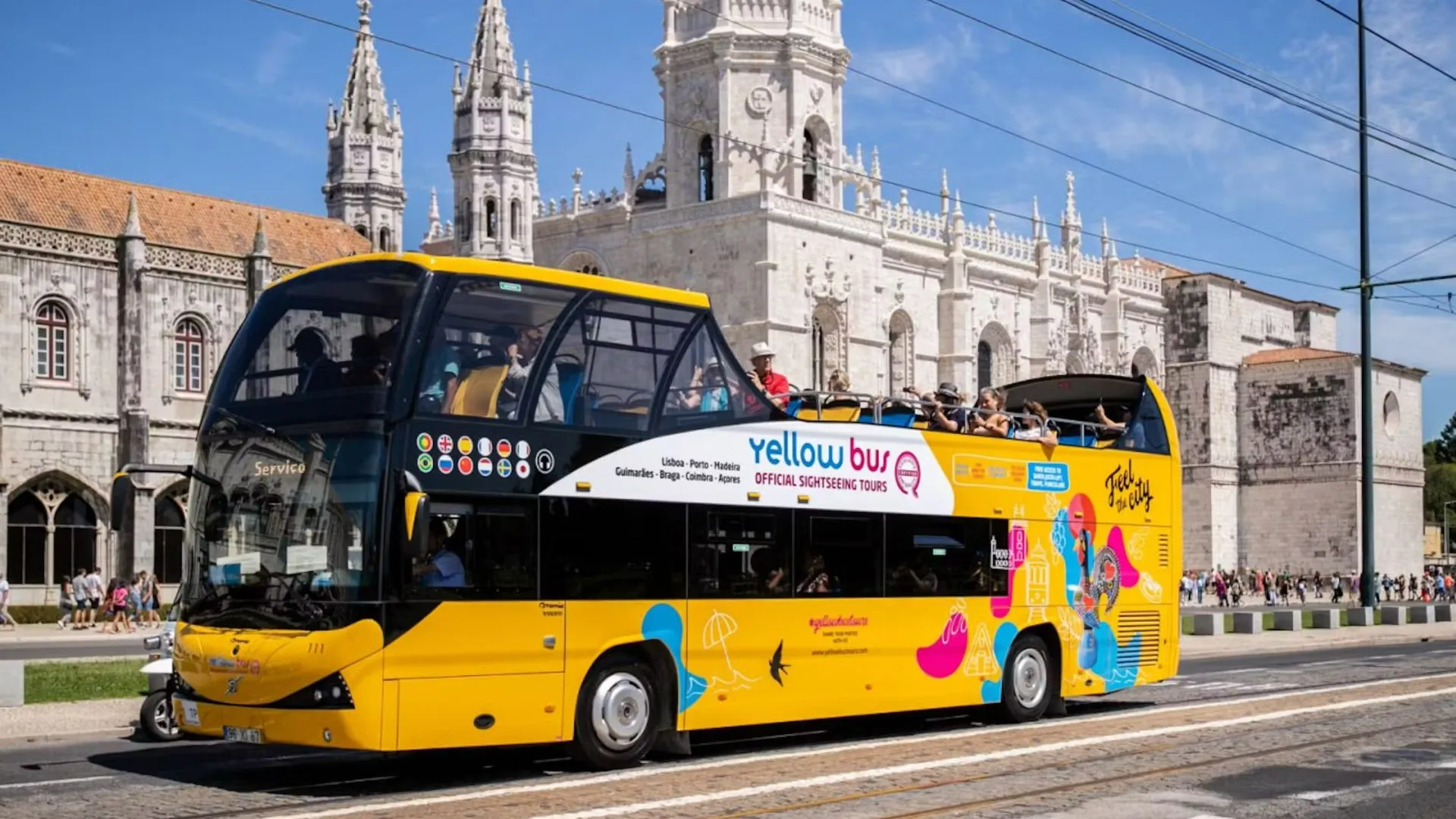
Urban Context: Jerónimos in Belém’s River Landscape
Where Jerónimos sits in the city—river, gardens, tram lines, and daily movement.
→
First Impressions: Entering the Nave and Sensing Space
Step-by-step impressions entering Jerónimos—how the nave stages light and height.
→
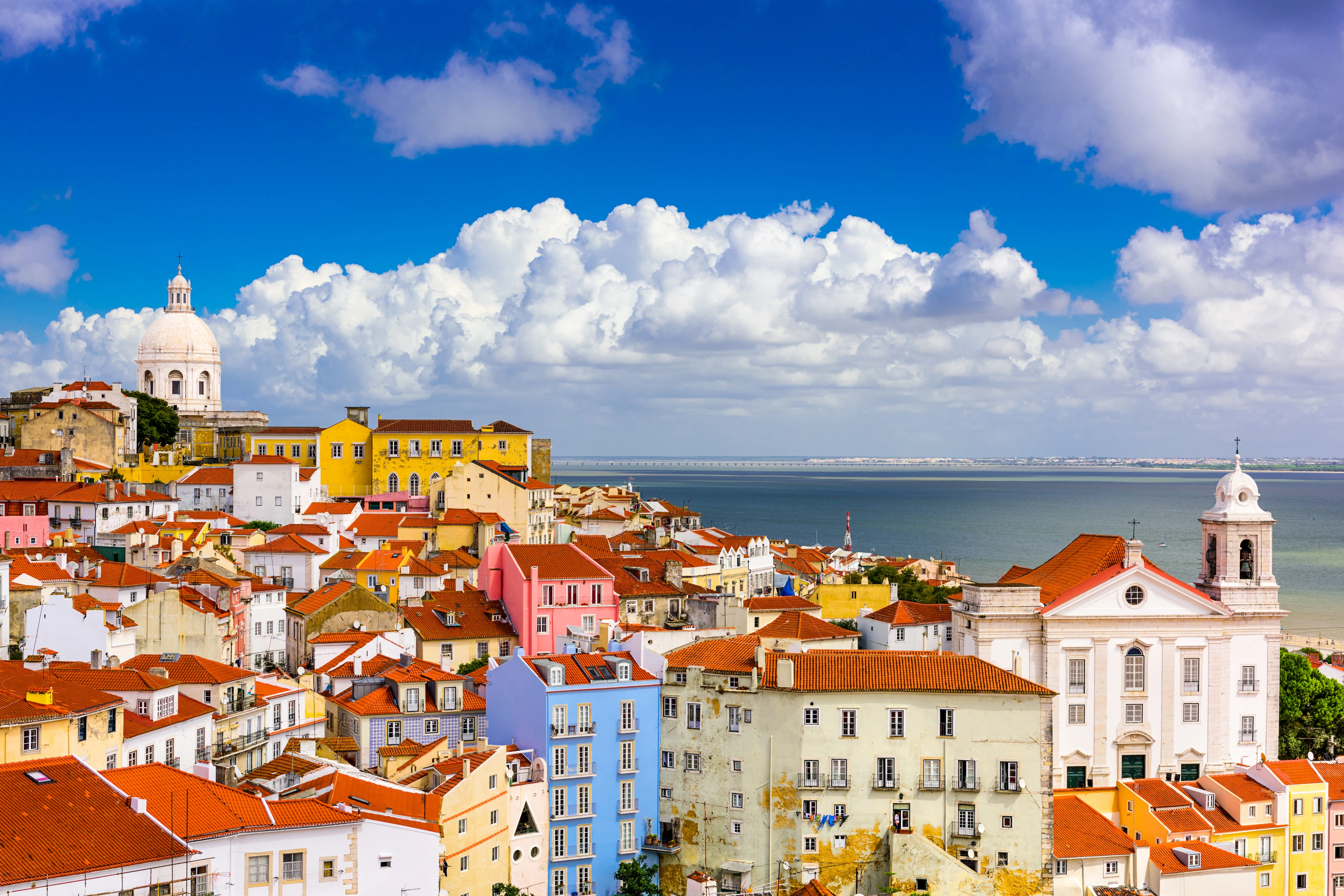
Tagus Waterfront: Evening Walk After Jerónimos
Unwind by the river after Jerónimos—views, breeze, and reflective time.
→
Ceiling Reading: Lines, Panels, and Quiet Movement
How to read the ceiling—lines as movement, panels as rhythm, and light as ink.
→
Silence and Reflection: A Pause in the Forecourt
Where to pause for quiet—forecourt benches, water sounds, and light.
→
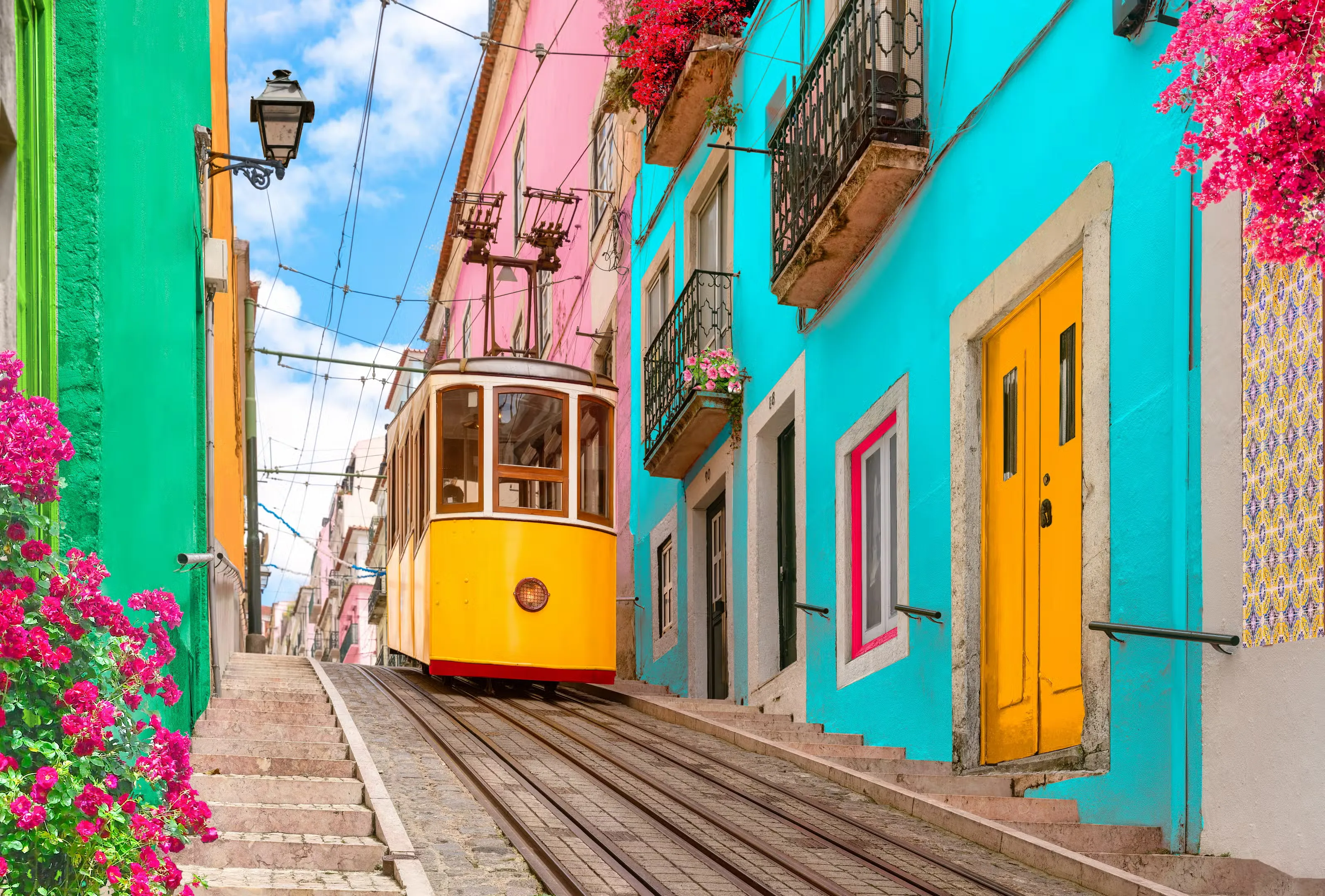
Getting There: Trams, Buses, and Smooth Routes to Belém
How to reach Jerónimos—public transport options and route tips.
→