관람 시간표10:00 AM – 06:30 PM
|일요일, 1월 11, 2026Praça do Império, 1400‑206 Lisboa, Portugal
돌아가기 architecture
construction
Jerónimos Construction: Masters and Material
A practical chronology of Jerónimos’s making—who led the works, what they used, and how phases aligned.
1/8/2026
14 min read
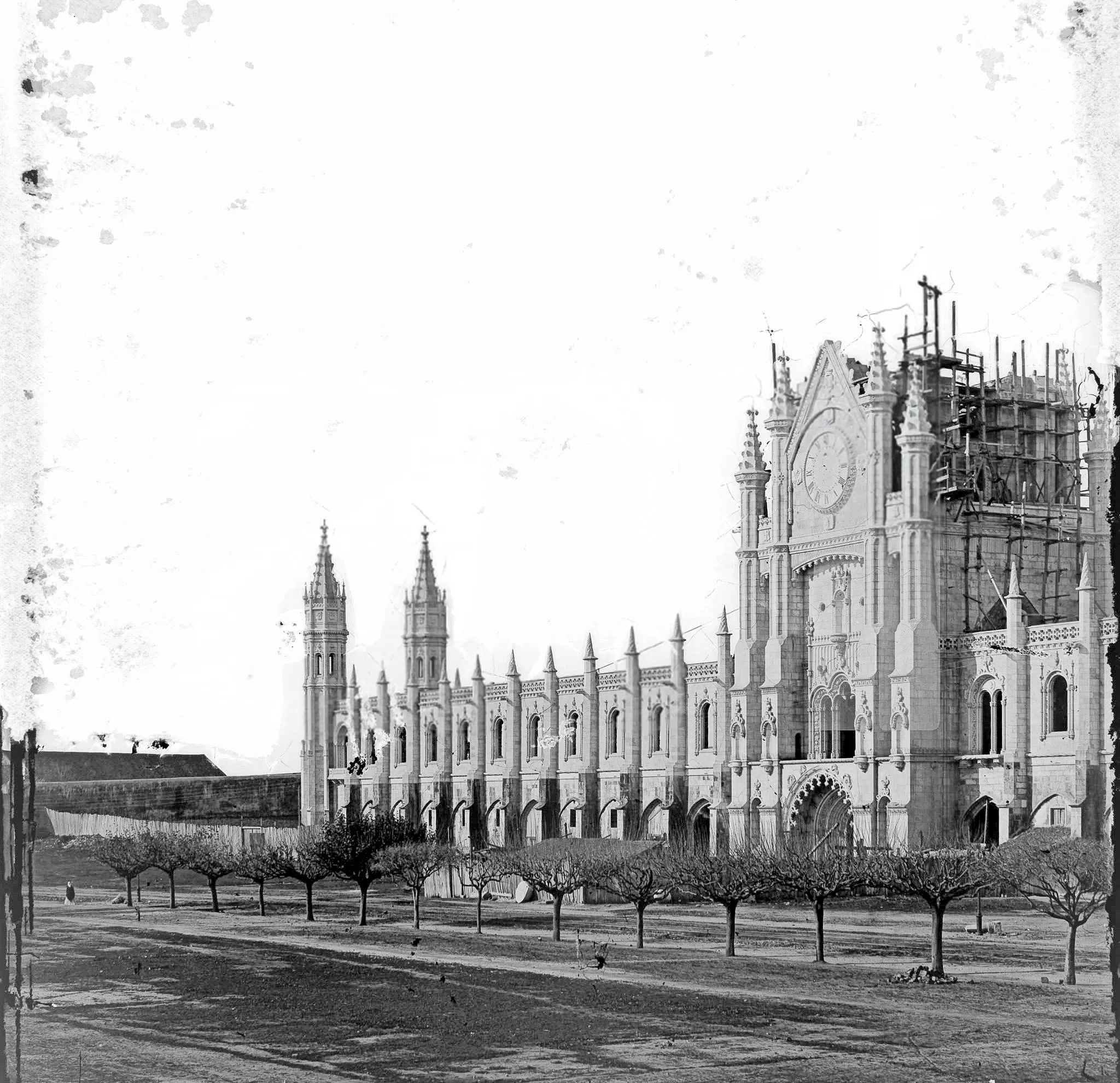
Jerónimos rose through campaigns led by masters like Diogo Boitaca and João de Castilho—punctuated by funding cycles, seasonal labor, and material logistics.
🧱 Phasing at a Glance
- Foundations and church shell—stability and volume first.
- Cloister arcs and galleries—carving progresses in bays.
- Façade refinements—portal sculpture and narrative programs.
- Finishes—flooring, glazing, minor metalwork.
Seasonal cadence mattered: quarrying and sea transport followed weather windows.
🪨 Materials Toolkit
- Lioz limestone: quarry blocks, rough dress, fine carve.
- Timber: scaffolding towers, vault centering, hoists.
- Metals: cramps, ties, and hardware for discreet reinforcement.
- Mortars: lime-based mixes, adjusted for setting time and weather.
Site Logistics
- River proximity eased heavy transport.
- On-site yards sorted stone by block size and intended location.
- Workshop marks tracked piecework and wages.
Read the Stone
Look for repetitive blocks with slight size shifts—evidence of templating by one team, adjustments by another. Chisel signatures cluster by bay.Building is choreography of trade—stone, timber, labor, and time.
[^phase]: Phases reflect funding cycles and workshop availability.
저자 소개

Architecture Writer
리스본을 사랑하는 슬로우 트래블 작가로서, 이 가이드를 통해 수도원의 ‘돌의 책’을 함께 읽고 싶었습니다——항해와 기도, 시, 벨렝의 부드러운 빛까지.
Tags
Construction
Diogo Boitaca
João de Castilho
Lioz limestone
Workshops
Comments (0)
Leave a Comment
Loading comments...